content/blog/black-smith-starter-kit-gear-guide.md and the others are unrelated; here's the new article for the "forged steel anvil" assignment.
Ask ten smiths what a forged steel anvil is and you will get two answers that only sound the same. One group means an anvil that was actually drop forged, hammered into shape from a solid billet of steel and then heat treated. The other means whatever the seller printed on the listing, which today is half the cast steel anvils on the internet. That gap is the whole reason this guide exists, because the difference between the two shows up the first time your hammer comes back off the face. If you have the money for it, the forged steel anvil I would put in a working hobby shop is a drop-forged Kanca out of Turkey. If you do not, the honest budget answer is a cast steel single-horn from VEVOR or one of its Amazon twins, bought with your eyes open about what it is and is not.
I want to be straight about where these picks come from. I have put about twenty-five years on my own Trenton, Bessie, and I know what a good face feels like under a hammer. But I have not bench-tested every anvil below in my own shop, and I am not going to pretend I did. What follows leans on published maker specs, owner reports from the forums, and what a lifetime of forging tells me to check. Where the signal is thin, I will say so.
What "forged steel anvil" actually means
Forging is a manufacturing process, not a marketing word. A truly forged anvil starts as a solid bar or billet of steel that gets pounded into an anvil shape under an enormous industrial hammer or press, which aligns the grain of the steel and packs it dense. Then the face is hardened and tempered so it resists denting. That grain structure and that heat treat are what give a forged steel anvil its rebound: the hammer bounces back at you, so the anvil is doing part of the work instead of eating your energy.
Cast steel is a different road to a similar place. The steel is melted and poured into a mold, then heat treated. A good cast steel anvil can be an excellent tool, and modern makers like NC Tool and Nimba cast fine anvils. But casting and forging are not the same process, and a lot of cheap sellers stamp "forged steel" on a cast product because it reads better. When you see the words on a sub-two-hundred-dollar listing shipped from overseas, treat them as decoration until proven otherwise.
Forged, cast steel, and cast iron: why it shows up under the hammer
The one number that separates a real anvil from a boat anchor is rebound. Drop a ball bearing on the face from a foot up and watch how high it comes back. On a good German forged face you will see it return most of the way, above eighty percent. There is a long thread on I Forge Iron walking through why this matters, and it is worth reading before you spend a dime: Why is rebound important?. High rebound means the face is hard and the mass under it is dense, so your energy goes into moving hot steel instead of into the stand.
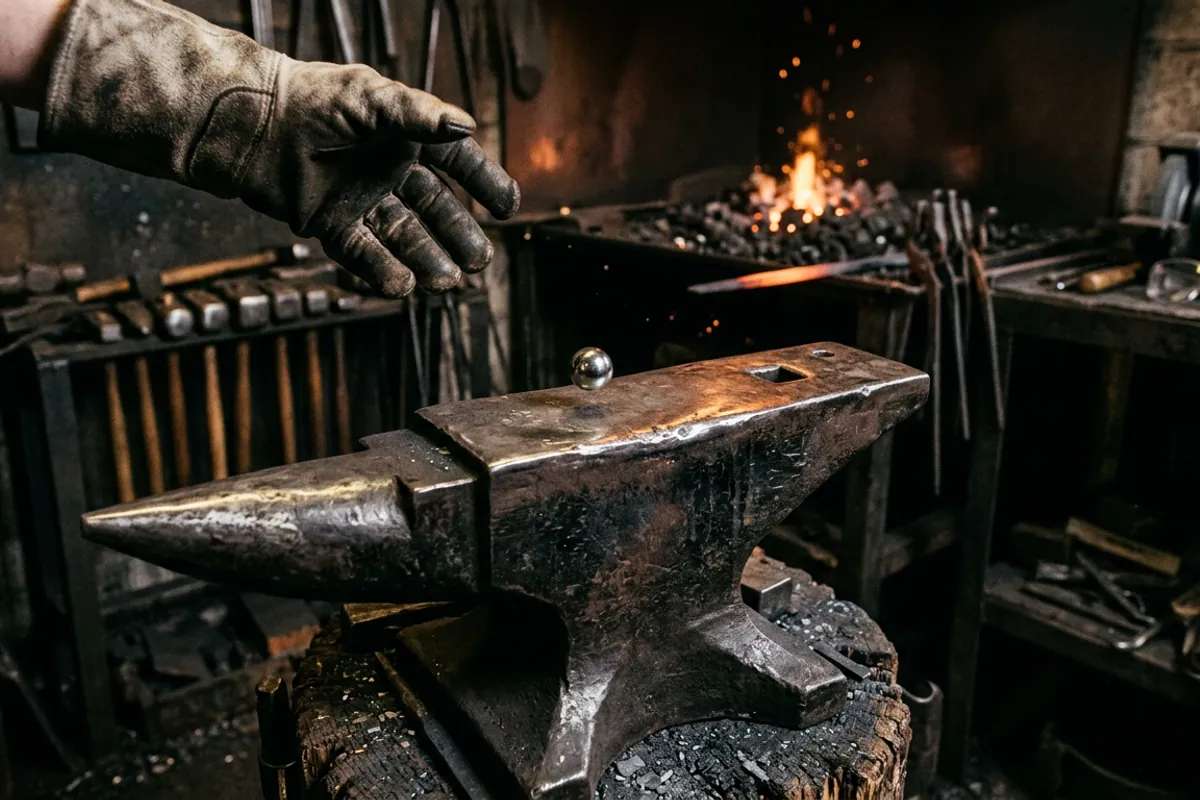
Cast iron is where people get hurt on the wallet. A cast iron anvil, the kind you find at a discount tool store for cheap, has almost no rebound and will dent, chip, or crack under real forging heat and real hammer blows. Smiths call these ASOs, anvil shaped objects. They are fine as a decorative doorstop and useless as a forging tool. If you are tempted by one, read my take first on the cast iron anvil for sale and then walk away. The trap with a "forged steel anvil" listing is that a cast iron ASO sometimes hides behind the same words, so rebound, not the label, is your test.
For the fuller argument about steel versus other constructions, I laid it all out in the steel anvil buying guide. The short version: forged or cast steel with a hardened face, yes; plain cast iron, no.
How these anvils compare
Here is the field at a glance. These are published specs where the maker states them, and "not published" where they do not. I will not print a hardness number I cannot stand behind, and I will not cite a marketplace page for one.
Scroll horizontally to see all columns.
| Anvil | Weight | Material | Horn / holes | Hardness | Price tier |
|---|---|---|---|---|---|
| Kanca double horn (drop forged) | 44, 77, 110, 165 lb | Drop-forged C45 carbon steel | Double horn, hardie + pritchel | 54 to 62 HRC | Premium |
| COLIBROX round horn 66 lb | 66 lb | Steel (sold as forged) | Round + flat horn, hardie + pritchel | Not published | Budget |
| VEVOR single horn 66 lb | 66 lb | Cast steel | Single horn, hardie + pritchel | Not published | Budget |
| VEVOR single horn 110 lb | 110 lb | Cast steel | Single horn, hardie + pritchel | Not published | Budget |
The Kanca figures come from the sellers who actually stock them, Centaur Forge and Pieh Tool: drop forged in Turkey from C45 carbon steel, hardened to 54 to 62 HRC across the face. The budget rows I have left as cast steel with hardness not published, because the HRC those listings claim moves around from one reseller to the next, and I will not launder a marketplace number into a spec.
The true forged anvils: Kanca and Peddinghaus
If you want an actual forged steel anvil and you are done buying twice, this is the tier. Peddinghaus, the old German Ridgid-Peddinghaus line, is the reference. They are drop forged, hardened, and they hold a rebound most cast anvils cannot touch. They are also expensive and not always easy to find new.
Kanca is the one I would point most smiths at, because it gives you nearly the same thing for less. Kanca anvils are drop forged in Turkey by one of the larger forging houses over there, the same kind of operation that makes crankshafts and camshafts, and Centaur Forge and Blacksmiths Depot both stock them in the Turkish forged pattern. The specs are honest and published: C45 carbon steel, drop forged, faces hardened to 54 to 62 HRC, in a South German double-horn pattern with both a hardie and a pritchel hole. You buy these from a farrier or blacksmith supplier, not from a marketplace, which is exactly why there is no Amazon link in this section. That is not a knock; it is the point. A real forged anvil comes from a real anvil dealer.
On the Kanca versus Peddinghaus question, the forum consensus is close. The KnifeDogs thread comparing the two has owners of both, and the summary is that they are cut from the same cloth: both drop forged, both forged in two pieces and joined, both fine under the hammer, with the Peddinghaus commanding a premium mostly on name and history. For a working hobby smith, a Kanca in the 110 to 165 pound range is all the anvil most of us will ever need. If you are still sorting out how heavy to go, my anvil weight guide walks through it.
The budget "forged steel anvil" listings on Amazon
Now the reality most people came here for. Search for a forged steel anvil on Amazon and you get a wall of look-alike single-horn and round-horn anvils in the fifty-five to one-hundred-thirty-pound range, most of them cast steel, several of them wearing the word forged whether they earned it or not. They are not junk, and they are not a Kanca either. For a beginner who wants a face to hammer on this month, one of these can be an honest starting anvil if you buy it as what it is.
The one most literally sold under the keyword is a round-horn 66 pound anvil, branded COLIBROX or 9TRADING depending on the day, described as drop forged and heat treated. Owner signal on this exact listing is thin, and I would treat the "drop forged" claim as unproven at that price and origin, but as a budget cast-grade anvil with a round and a flat horn plus a hardie and pritchel hole, it is a serviceable first face. Check price on Amazon (paid link).
If you want more mass, which you almost always do, the VEVOR and Happybuy single-horn anvils step up to 110 pounds of cast steel for not much more money. More weight under the hammer is the single biggest upgrade a light anvil can get, and this is where I would spend the extra twenty dollars rather than on a fancier 66 pounder. Check price on Amazon (paid link).
VEVOR also sells the same family through its own feed, so you can see current pricing and imagery on the two sizes I would actually consider:


Between those two, the 132 pound is the better buy for anything past hooks and bottle openers. I went deeper on this whole product family, including what breaks and what to check on arrival, in the VEVOR anvil buying guide.
One more honest note on this tier: you can often do better used. A hundred-year-old wrought anvil with a forge-welded tool steel face, bought right, will out-forge any of these cast imports and hold its value. If you have the patience to shop, my antique anvils buying guide covers how to find one without buying a cracked paperweight.
What owners say
For gear I have not run down in my own shop, I go to the forums, and I report what is actually there.
On the true forged tier, the consensus is boring in the best way. Kanca and Peddinghaus owners in that KnifeDogs discussion do not complain about rebound or face failure; they debate price and pattern preference. That is what you want to see under an anvil you plan to keep for life. The only recurring caution is on the two-piece forge-and-weld construction, which some smiths eye warily, but there are no widespread reports of those joints failing in use.
On the budget cast imports, the signal is more mixed and, honestly, thinner per specific listing because the brands rotate. The pattern across I Forge Iron and Reddit is consistent though: the mass is real, the face hardness is inconsistent, and rebound varies unit to unit. Some arrive with a serviceable face, others show up soft and dent early. The I Forge Iron rebound thread is the backdrop for why that inconsistency matters, and it is why I tell anyone buying one to test rebound the day it lands and return it if the face is dead. Nobody on the forums mistakes these for heirloom tools, and neither should you.
How to check a forged steel anvil before you commit
Whether you are handing over money in a barn or unboxing a delivery, the checks are the same and they take two minutes.
- Rebound first. Bounce a ball bearing or a hammer off the face in several spots. It should come back most of the way, and it should be consistent across the face. A dead thud in one corner is a soft or delaminated spot.
- Ring is secondary and can mislead. A forged anvil often rings, but mounting and mass change the sound, and plenty of good anvils are quiet on a solid stand. Do not reject an anvil on ring alone; trust rebound.
- Look at the face and edges. You want a flat working surface and edges that are crisp but not razor sharp. Chips and a swayed face are normal wear on an old anvil and not always dealbreakers, but they tell you how hard its life was.
- Check that the hardie and pritchel holes are clean and square, since your bottom tools live there.
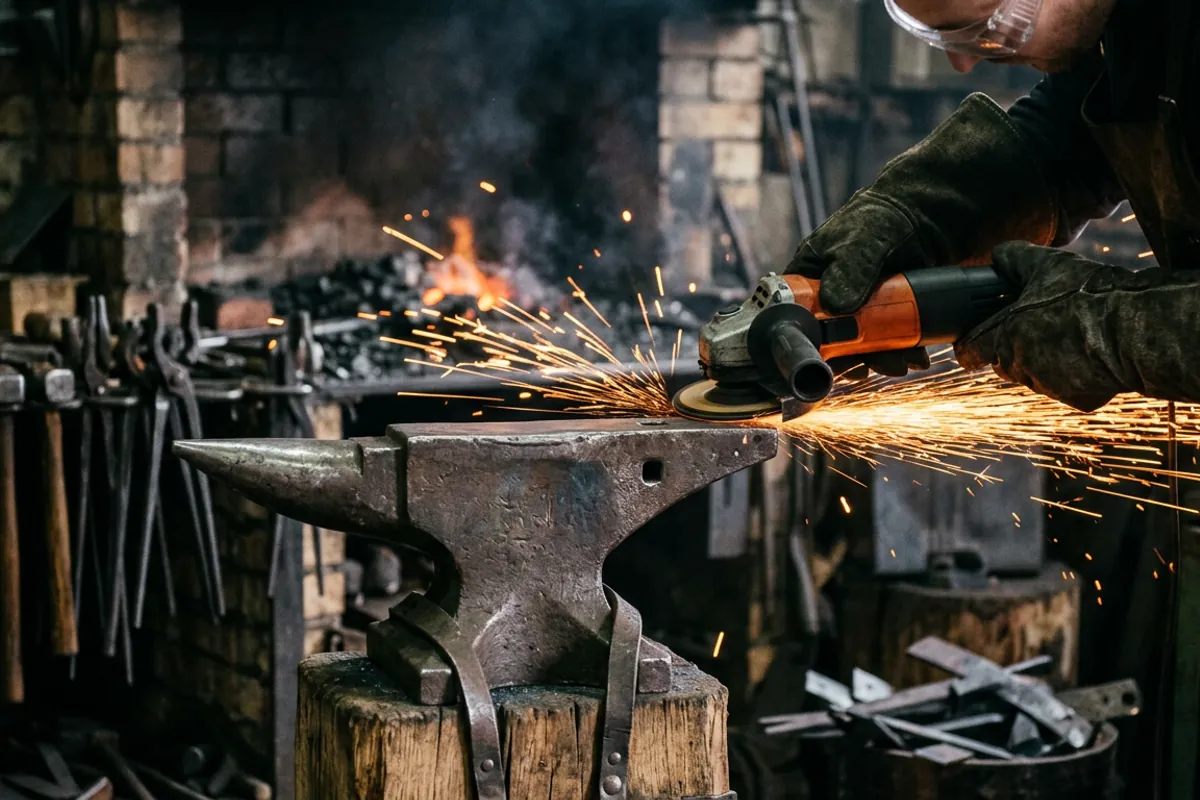
And put your safety glasses on before any of this. If you decide to dress a face or knock down a sharp edge with a grinder, that is ANSI Z87.1 eye protection, no exceptions, and a light touch. The face on a forged steel anvil is hardened, and leaning on a grinder long enough to turn it blue draws the temper right out of the surface you paid for. I lost my eyebrows early on to a careless minute at the forge; the eyes I kept were luck, and I do not run that risk anymore.
What I would tell a friend
If the budget is there and you want to buy once, get a real forged anvil: a Kanca in the 110 to 165 pound range from a proper anvil dealer, or a Peddinghaus if you find one and love it. You will not out-grow it, and it will hold its value.
If the budget is tight and you want to start forging now, buy a cast steel single-horn in the heaviest weight you can afford, test the rebound the day it arrives, and send it back if the face is dead. The 110 pound VEVOR class is the sweet spot; the 66 pounders are for jewelry and light work.
The one thing I would not do is pay a forged-steel price for a cast-iron ASO because the listing used the right words. Rebound is the truth; the label is just the label. If you want to sanity-check pricing across the whole market before you buy, start with the anvils topic hub and the anvil buying guide, and buy the anvil, not the adjective.